Aug 14, 2017
Feb 17, 2015
Feb 23, 2014
U.S. Navy to Zap Enemies With Futuristic Laser

The laser will be set up on the transport dock USS Ponce in the Persian Gulf. One single sailor can operate the device, which can burn through targets and fry electronics with beams that are invisible to the human eye. The laser is designed to shoot down aerial drones and disable swarming speedboats.
Besides its ability to be fired continuously, the biggest advantage of the laser is that it’s cheaper to use than missiles and smart bombs. The downside is that the laser is a lot less efficient if there’s rain, dust or turbulence in the atmosphere.
The Navy is also working on getting electromagnetic rail guns ready for deployment. The rail guns, which fires projectiles at six or seven times the speed of sound, are meant to replace or supplement traditional firearms.
May 19, 2012
Sukhoi T-50 Akan Mulai Diterima AU Rusia Pada 2013
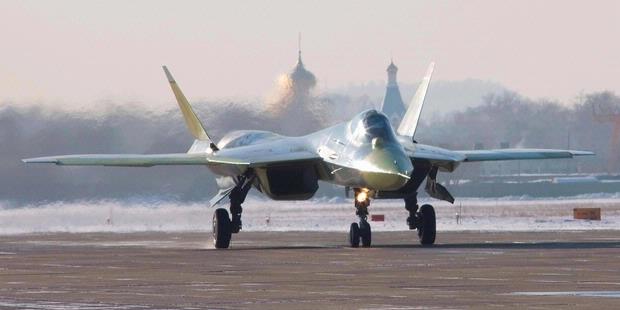
Demikian diungkapkan penasihat Menteri Pertahanan Rusia Kolonel Jenderal Alexander Zelin di Voronezh, Rusia tengah, Kamis (17/5/2012). "Proyek pesawat tempur generasi kelima ini berjalan sesuai jadwal. Purwarupa ketiga telah menjalani program uji coba, dan pesawat keempat sedang dibuat," papar mantan Kepala Staf AU Rusia itu.
T-50 dibuat oleh pabrikan Sukhoi dalam program PAK FA (Sistem Aviasi Masa Depan untuk Kekuatan Udara Taktis). Purwarupa pertama pesawat itu terbang perdana pada Januari 2010, dan sejak saat itu sudah ada tiga purwarupa yang menjalani uji terbang.
Zelin pernah mengatakan, jumlah T-50 yang akan menjalani uji terbang di Sukhoi akan ditambah hingga 14 pesawat pada 2015.
T-50 dirancang untuk menandingi langsung pesawat F-22 Raptor buatan AS, tetapi dengan harga yang jauh lebih murah. Harga pesawat tersebut direncanakan tidak akan menyentuh angka 100 juta dollar AS per unit.
Nov 12, 2011
Most Powerful U.S. Nuclear Bomb Being Dismantled

The final components of the B53 bomb will be broken down Tuesday at the Pantex Plant near Amarillo, the nation's only nuclear weapons assembly and disassembly facility. The completion of the dismantling program is a year ahead of schedule, according to the U.S. Department of Energy's National Nuclear Security Administration, and aligns with President Barack Obama's goal of reducing the number of nuclear weapons.
Thomas D'Agostino, the nuclear administration's chief, called the bomb's elimination a "significant milestone."
First put into service in 1962, when Cold War tensions peaked during the Cuban Missile Crisis, the B53 weighed 10,000 pounds and was the size of a minivan. According to the American Federation of Scientists, it was 600 times more powerful than the atomic bomb dropped on Hiroshima, Japan, at the end of World War II.
The B53 was designed to destroy facilities deep underground, and it was carried by B-52 bombers.
Since it was made using older technology by engineers who have since retired or died, developing a disassembly process took time. Engineers had to develop complex tools and new procedures to ensure safety.
"We knew going in that this was going to be a challenging project, and we put together an outstanding team with all of our partners to develop a way to achieve this objective safely and efficiently," said John Woolery, the plant's general manager.
Many of the B53s were disassembled in the 1980s, but a significant number remained in the U.S. arsenal until they were retired from the stockpile in 1997. Pantex spokesman Greg Cunningham said he couldn't comment on how many of the bombs have been disassembled at the Texas plant.
The weapon is considered dismantled when the roughly 300 pounds of high explosives inside are separated from the special nuclear material, known as the pit. The uranium pits from bombs dismantled at Pantex will be stored on an interim basis at the plant, Cunningham said.
The material and components are then processed, which includes sanitizing, recycling and disposal, the National Nuclear Security Administration said last fall when it announced the Texas plant's role in the B53 dismantling.
The plant will play a large role in similar projects as older weapons are retired from the U.S.'s nuclear arsenal.
May 5, 2011
Sergap Osama, Navy SEAL Gunakan Helikopter Siluman

Berdasarkan foto yang disebarkan oleh European PressPhoto Agency, benda yang tersandar di dinding tembok pagar sisi luar rumah Osama itu diyakini oleh para ahli pesawat sebagai rotor (baling-baling) ekor helikopter.
Menurut penjelasan dari CIA sebelumnya, salah satu heli yang digunakan untuk menyergap Osama di Abbottabad, Pakistan, pada 2 Mei lalu, mengalami gangguan teknis sehingga harus mendarat darurat di dalam pekarangan rumah Osama.
Setelah operasi kelar, pasukan komando Navy SEAL lantas meledakkan helikopter tersebut hingga luluh lantak tak berbentuk. Personil yang menggunakan heli itu tak ada yang mengalami cedera, dan mereka pulang dengan menumpang heli lainnya.
Ternyata ada komponen lain dari heli nahas itu yang tidak ikut diledakkan karena berada di luar tembok. Menurut Aviationweek.com, situs yang khusus mengulas dunia penerbangan, benda besar tersebut diyakini adalah rotor belakang jenis lima atau enam bilah baling-baling.
Hanya saja, bekas rotor itu bentuknya lain daripada rotor helikopter militer pada umumnya. Bentuknya mirip dengan rotor helikopter eksperimen V-22s. Heli ini masih dirahasiakan keberadaan oleh AS.
Foto fisik V-22s ini masih amat jarang. Tubuh heli ini didesain khusus sehingga tak tertangkap radar (stealth) alias siluman.
Berdasarkan analisis Aviationweek.com, heli itu mengalami kecelakaan karena terbang statis terlalu rendah, sementara tekanan udara tiba-tiba berkurang. Akibatnya, baling-baling tak mampu menopang badan heli.
Heli itu pun jatuh dalam posisi rotor masih berada di sisi luar tembok. Begitu membentur atas tembok, badan heli jatuh di pekarangan dalam, sedangkan ekornya berada di luar tembok. Karena berada di luar tembok maka personil Navy SEAL tak sempat meledakkannya mengingat waktunya terbatas.
Lantas apakah memang benar operasi komando yang teramat rahasia itu juga mengggunakan helikopter yang sampai sekarang masih dirahasiakan keberadaannya itu?
Yang pasti selama dalam perjalanan menuju sasaran ke rumah Osama yang menempuh jarak ratusan kilometer wilayah udara Pakistan, radar militer Pakistan tidak menangkap gerak tiga atau empat helikopter yang digunakan untuk operasi tersebut.
Jan 21, 2011
Breakthrough Laser Could Revolutionize Navy's Weaponry

Oct 23, 2010
Batas Itu Telah Tercapai?

Sebuah laporan di majalah The Economist edisi 28 Agustus ini mengungkap fakta, yang meski sudah bisa diduga dalam kondisi perekonomian dunia saat ini, tetapi tetap mengejutkan.
Negara-negara yang selama ini dikenal sebagai adidaya dalam hal militer, mulai memikirkan ulang strategi pengembangan persenjataan mereka karena biaya yang makin mencekik leher. Benarkah batas langit itu telah tercapai?
Menteri Pertahanan Amerika Serikat (AS) Robert Gates telah memerintahkan penghentian produksi pesawat tempur F-22 Raptor, akhir tahun ini. Dengan demikian, total jumlah produksi pesawat tempur tercanggih itu hanya akan berhenti di angka 187 unit. Padahal, pada awal produksinya dulu, pesawat itu diperkirakan paling tidak akan diproduksi hingga 750 unit.
Di Eropa, pesanan untuk pesawat Eurofighter Typhoon, yang dikembangkan Inggris, Jerman, Italia, dan Spanyol, juga merosot. Hal yang sama juga dikhawatirkan terjadi pada proyek pesawat F-35 Joint Strike Fighter (JSF) yang dikembangkan bersama antara AS dan Eropa.
Krisis keuangan dunia, perubahan ancaman konflik global, hingga kemajuan teknologi sendiri menjadi beberapa faktor yang memicu negara-negara maju tersebut memikirkan ulang strategi militer mereka, termasuk dalam hal kelengkapan senjata.
Menteri Pertahanan Jerman Karl-Theodor zu Guttenberg, minggu ini, mengumumkan akan memangkas jumlah personel angkatan bersenjatanya, dari sekitar 247.000 personel menjadi hanya sekitar 165.000 personel. Rencana ini adalah bagian dari rencana Jerman untuk menghemat anggaran pertahanan hingga sebesar 8,3 miliar euro (Rp 95,8 triliun) hingga 2014.
Keterbatasan
Menurut Guttenberg, pihaknya akan berkonsentrasi pada pengembangan pasukan yang kecil, tetapi berkualitas lebih baik dan lebih operasional.
Langkah serupa juga dilakukan Inggris, yang berencana memotong belanja pertahanan 10-20 persen dalam lima tahun mendatang. Spanyol juga menyatakan akan mengurangi hingga 9 persen dan Italia 10 persen.
Karena keterbatasan anggaran pertahanan, saat ini Perancis hanya mengoperasikan satu kapal induk, yakni kapal induk Charles de Gaulle. Inggris juga hanya mempertahankan dua kapal induk berukuran sedang, yakni HMS Invincible dan HMS Ark Royal, tetapi menurut The Economist, dua kapal tersebut sering berlayar tanpa membawa pesawat.
Di belahan lain Eropa, Belanda telah menghentikan program pengintaian maritim, Denmark telah meninggalkan armada kapal selamnya, dan negara- negara Baltik tidak lagi memiliki angkatan udara (AU) yang bisa diandalkan kecuali mengandalkan pesawat-pesawat dari sekutu NATO untuk mengamankan ruang udara mereka.
Amerika sendiri, sebagai pemimpin dan patron Pakta Pertahanan Atlantik Utara (NATO), kewalahan mengelola pengeluaran militernya meski dengan anggaran pertahanan sebesar 700 miliar dollar AS per tahun (sekitar Rp 6,3 kuadriliun, atau hampir setara dengan anggaran pertahanan negara sedunia digabung jadi satu).
Gates mengatakan, ia akan mengurangi sedikitnya 50 perwira tingginya untuk menghemat biaya. Saat ini, angkatan bersenjata AS memiliki lebih dari 900 perwira tinggi setingkat jenderal dan laksamana. Selain itu, ia juga akan menghapus komando gabungan angkatan (joint-forces command), memotong anggaran para kontraktor, dan mengurangi staf di kantor departemen pertahanan sendiri.
Masalah biaya ini juga disebut-sebut menjadi salah satu alasan percepatan penarikan mundur pasukan AS dari Irak, khususnya untuk memusatkan tenaga dan biaya bagi perang di Afganistan.
Makin tinggi
Wajar saja negara-negara ini mengeluhkan anggaran pertahanan karena harga dan biaya perawatan persenjataan terbaru saat ini sama sekali tidak bisa dibilang murah, bahkan untuk ukuran kocek mereka.
Harga pesawat F-22 Raptor saat ini mencapai 160 juta dollar AS (Rp 1,4 triliun) per unit, atau 350 juta dollar AS (Rp 3,2 triliun) per unit jika termasuk ongkos pengembangan pesawat itu ke depan. Bandingkan dengan harga pendahulunya, F-16 Fighting Falcon, yang ”hanya” 50 juta-60 juta dollar AS (Rp 450 miliar) per unit.
Harga pesawat pengebom siluman B-2 Spirit lebih tinggi lagi, yakni sekitar 2 miliar dollar AS (hampir Rp 18 triliun) per unit. Itu sebabnya, AU AS akhirnya hanya membeli 20 unit B-2 dari total 132 unit yang direncanakan sebelumnya.
Harga pesawat (dan senjata berteknologi tinggi lain, seperti kapal perang) ini dari generasi ke generasi akan terus meningkat seiring dengan makin mahalnya teknologi yang harus dicangkokkan ke dalamnya. Peningkatan harganya bahkan disebut jauh di atas laju inflasi atau pertumbuhan produk domestik bruto negara produsen.
Dalam sebuah analisis, pakar industri penerbangan AS, Norman Augustine, pernah membuat ekstrapolasi harga pesawat tempur ini berdasarkan tren yang terjadi saat ini, dan kesimpulannya: ”Pada tahun 2054 seluruh anggaran pertahanan hanya cukup untuk membeli satu pesawat.”
Tidak terpakai
Selain mahal, pesawat-pesawat berteknologi tinggi ini belum tentu terpakai di medan perang yang sesungguhnya. Dalam rapat dengan Komisi Angkatan Bersenjata Senat AS dua tahun lalu, Gates mengatakan, F-22 Raptor belum pernah terpakai dalam satu misi pun selama perang di Irak dan Afganistan.
”Faktanya, kita saat ini menghadapi dua perang, di Irak dan Afganistan, dan pesawat F-22 itu belum pernah terpakai di satu misi pun dalam dua perang tersebut,” ungkap Gates, seperti dikutip majalah Time (www.time.com, 7 Februari 2008).
Alih-alih, para perwira tinggi militer AS di lapangan justru mengaku puas dengan performa pesawat tak berawak (drone atau UAV, unmanned aerial vehicle), yang berharga beberapa kali lebih murah dan tidak berisiko menewaskan pilot, dalam menghadapi gerilyawan Taliban di Afganistan dan perbatasan Pakistan.
Kekuatan udara AS memang tak terkalahkan dan menjadi salah satu faktor penentu keberhasilan invasi ke Irak pada tahun 2003. Namun, begitu pasukan darat AS menduduki Irak selama 7,5 tahun kemudian, mereka tak mampu mengendalikan sepenuhnya kondisi di dalam negeri Irak sampai misi perang dihentikan hari Selasa (31/8) lalu.
Zaman memang sudah berubah sejak era Perang Dingin berakhir. Dulu, dalam konteks mencari perimbangan kekuatan, terjadi perlombaan senjata, baik dalam hal teknologi maupun jumlah, antara Blok Barat dan Blok Timur.
Kini, tanpa F-22 dan B-2 pun, kekuatan udara AS sudah tak ada yang menandingi di dunia ini, apalagi ”sekadar” untuk menyerang negara dunia ketiga, seperti Irak atau Afganistan.
Fakta terbaru ini mengingatkan, dalam perang, keunggulan teknologi dan anggaran melimpah belum tentu menjadi faktor penentu kemenangan.
Jun 26, 2009
US Air Force Successfully Tests Advanced Tactical Laser From a C-130 Plane

According to Boeing, the U.S. Air Force tested an oxygen-iodine laser with a
USA Today says that the Advanced Tactical Laser was carried aboard a C-130 plane. Though the power level produced during the test wasn't revealed, these lasers, Global Security says the Advanced Tactical Laser can produce between 100-300 kW of lethal or non-lethal power (in theory).
The Advanced Tactical Laser is said to improve accuracy of military attacks with less collateral damage, something the U.S. Military has drawn criticism for as of late. But you know that secretly, General Gates is even more excited by the idea of getting some pew pew action in real life.
May 30, 2009
Army Starts Testing 'Judge Dredd' Weapon

The U.S. Army is set to start testing a computerized, high-tech projectile launcher that can take out bad guys hiding around corners and in caves or trenches, even if they're out of the soldier's line of sight.
Some experts call it the "Judge Dredd" gun, after the Sylvester Stallone movie. The Pentagon calls it the XM-25 Individual Air Burst Weapon, which uses a laser rangefinder to precisely measure the distance to a target, then primes a fuse on a timed grenade so that the projectile explodes exactly where it should.
"The way a soldier operates this is you basically find your target, then laze to it, which gives the range, then you get an adjusted aim point, adjust fire and pull the trigger," deputy program manager Richard Audette told Army News Service. "Say you've lazed out to
A squad trying to neutralize an enemy fighter wouldn't have to wait until he showed himself — instead, they could just aim to a spot near him, then use the XM-25 to have a grenade explode directly there.
"For example, in Iraq we had many instances where there was a sniper firing from a rooftop and you have a squad trying to engage that target, but the soldiers couldn't get to him with the weapons they had, so they'd call in the Air Force to drop a JDAM (joint direct attack munition)," said Audette. "We can take out the target at $25 per XM round as opposed to a $20,000 to $50,000 JDAM."
With a range of
In addition to precision-timed grenades, the gun is also built to fire armor-piercing, door-breaching, anti-personnel and less-than-lethal rounds.
Mar 15, 2009
New Boomerang Missile Can Destroy Enemy Fighters Behind Combat Jets

Score another one for Australians after inventing the didgeridoo and koala teddies: Their Air Force just got the first missile that can kill enemy fighters behind their F/A-18s, converting the hunter into (dead) prey.
Imagine this: You are Chinese MiG pilot chasing a Royal Australian Air Force F/A-18 fighter jet. All of the sudden, you see the flash of a fired missile under its wing, which leaves you scratching your head. After all, you are the one chasing the guy ahead and he doesn't have anything in front. So for a brief moment you wonder until you see the missile turning around towards you, which is probably the last thing you are going to see in your life, seconds before getting engulfed in flames. Good bye, sucker.
That's exactly what the Australians did the other day for the first time ever, without grilling a Chinese pilot: One of their new ASRAAM (Advanced Short-Range Air-to-Air Missile) was fired at a target behind the wing-line of one of their F/A-18 Hornets. The chasing plane was located at more than three miles behind the Hornet, resulting in a direct kill.
What does this mean? Basically, that you don't need to be Maverick to survive up there as long as you have a full load of these missiles. According to the company, the new ASRAAMs give full-around protection.
Sep 10, 2008
Move Over Star Wars, Tomorrow's Tactical Lasers Will Be More Napalm Than Pew Pew

We've been kind of laser crazy here lately, and with good reason: Deployable solid state lasers could be landing in military hands as early as 2009. We simply wish to be at the forefront of the pew pew revolution, with the hope that any burning sensation our writers feel in the near future is the result of an unforgettable night out, not a disgruntled weapons grade laser system operator. But that last little diatribe brings up a good point, specifically in regards to what, exactly, laser warfare is going to look like. Sci-fi tends to glamorize laser weapons (pew pew, you're dead), when in reality the experts say getting "shot" with will probably feel more like napalm (*sizzle sizzle*, protracted death).
Wired's Danger room notes that the U.S. Air Force has effectively shifted away from the instant death scenario as of late, and focuses instead on how long it will take to cook a human with a laser (allegedly, everything is still top secret).
[F]rom what we know, the Air Force considers laser effects on eyes and skin, for the most part. Skin damage is very much easier to achieve than penetration; simply raising skin temperature to (say) 80C/ 180 f to a depth of a couple of millimeters will cause serious blistering (second-third degree burns). If 40% of the body is burned in this way, then the target will be disabled and may die.
[...] So instead of "zap-and-you're-dead" in normal science fiction style, with a hundred kilowatt laser, it's more a matter of spraying the target all over to ensure they're done. The description of the ATL as a "long range blow torch" is probably quite accurate.
I suppose it's fitting that a new slogan for tomorrow's battlefields came from a Colonel: Original recipe, or extra crispy?
