Kompas.com - Sesuai jadwal yang diumbar pekan lalu, Twitter akhirnya resmi mengekspansi kemampuan 140 karakter di kicauannya. Kini pengguna bisa berkicau lebih panjang, tak perlu terlalu irit karakter saat memposting foto atau lampiran lain.
Showing posts with label Social Media. Show all posts
Oct 16, 2016
May 1, 2016
"Teman Ahok": Fitnah Kami "Nyolong" KTP Itu Keji
Kompas.com - "Teman Ahok" mengklarifikasi soal tudingan mencuri kartu tanda penduduk (KTP) salah seorang warga untuk syarat dukungan Basuki Tjahaja Purnama menjadi Gubernur DKI Jakarta.
Jun 15, 2015
Path Resmi Dibeli Kakao Talk
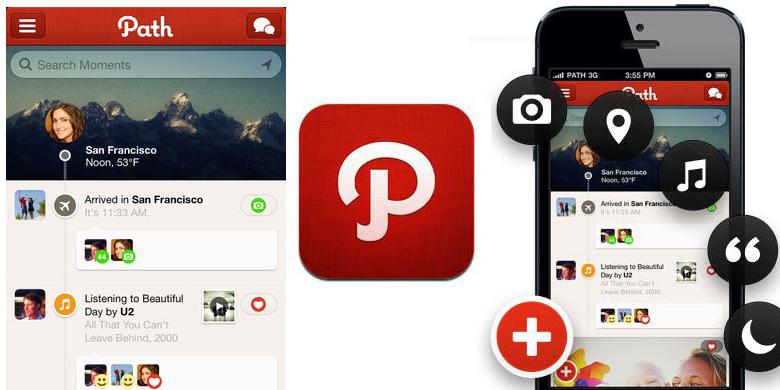
Kompas.com - Sempat beredar rumornya, hari ini Jumat (29/5/2015) rencana Daum Kakao mengakuisisi jejaring sosial Path dan aplikasi pesan Path Talk diumumkan secara resmi.
Daum Kakao adalah perusahan Korea Selatan yang menyediakan sejumlah layanan digital terkait gaya hidup. Salah satu produknya yang banyak dikenal adalah instant messenger Kakao Talk.
"Kami tiba pada sebuah titik di mana kami membutuhkan lebih banyak sumber daya untuk membantu mempercepat pertumbuhan," kata pendiri dan CEO Path Dave Morin dalam keterangan tertulis yang diterima Kompas Tekno.
Dalam sebuah posting blog yang ditulisnya, Morin menjelaskan bahwa Path kini memiliki jumlah pengguna aktif bulanan sebanyak 10 juta.
Sebanyak 400 juta momen dilihat oleh para penggunanya setiap hari, sementara hubungan pertemanan yang terjalin di jejaring sosial tersebut mencapai 600 juta.
Adapun besarnya nilai akuisisi tidak disebutkan
Salah satu user base terbesar Path berada di Indonesia, di mana pada 2014 terdapat sekitar 4 juta orang pengguna. Setengah dari jumlah keseluruhan pengguna aktif harian Path berasal dari negeri ini.
Pada Februari lalu, Path menunjuk William Tunggaldjaja sebagai Country Manager untuk wilayah Indonesia.
Daum Kakao adalah perusahan Korea Selatan yang menyediakan sejumlah layanan digital terkait gaya hidup. Salah satu produknya yang banyak dikenal adalah instant messenger Kakao Talk.
"Kami tiba pada sebuah titik di mana kami membutuhkan lebih banyak sumber daya untuk membantu mempercepat pertumbuhan," kata pendiri dan CEO Path Dave Morin dalam keterangan tertulis yang diterima Kompas Tekno.
Dalam sebuah posting blog yang ditulisnya, Morin menjelaskan bahwa Path kini memiliki jumlah pengguna aktif bulanan sebanyak 10 juta.
Sebanyak 400 juta momen dilihat oleh para penggunanya setiap hari, sementara hubungan pertemanan yang terjalin di jejaring sosial tersebut mencapai 600 juta.
Adapun besarnya nilai akuisisi tidak disebutkan
Salah satu user base terbesar Path berada di Indonesia, di mana pada 2014 terdapat sekitar 4 juta orang pengguna. Setengah dari jumlah keseluruhan pengguna aktif harian Path berasal dari negeri ini.
Pada Februari lalu, Path menunjuk William Tunggaldjaja sebagai Country Manager untuk wilayah Indonesia.
Jul 24, 2014
Jokowi Menang, #AhmadDhaniPotongT**** Jadi Trending Topic Dunia
Tribunnews.com - Jagad dunia maya langsung bereaksi usai KPU menetapkan Jokowi-JK sebagai pemenang Pilpres 2014. Utamanya di Twitter. Kata kunci dengan tanda pagar #AhmadDhaniPotongTi**** masuk daftar topik yang mendunia sekitar pukul 21.00 WIB, Selasa (22/7/2014).
Kata kunci itu mengacu pada cuitan dari akun musisi Ahmad Dhani yang bersumpah akan memotong kemaluannya jika Jokowi memenangi Pilpres 2014 pada akunnya, @AHMADDHANIPRAST. Cuitan itu tertera pada 23 Juni.
Cuitan inilah yang ramai dibahas di jagad media sosial. Misalnya saja di Path muncul banyak meme yang menyindir sumpah Ahmad Dhani ini. Bahkan ada meme dengan foto Maia Estianty yang membawa pisau tajam siap memotong kemaluan juri Indonesian Idol 2014 tersebut.
Ahmad Dhani sendiri mengaku tak pernah menuliskan sumpah itu. Dia bahkan membawa kasus tersebut ke Dewan Pres, Senin (21/7/2014). "Tweet potong kemaluan saya itu (kicauan) cerdas. Tapi, itu bukan saya yang buat," ucapnya ditemui di kawasan Setia Budi, Jakarta.
Ia kemudian melaporkan beberapa media online ke Dewan Pers, 21 Juli 2014 karena pemberitaannya dinilai berdasarkan sumber yang tidak akurat. Ke-17 media online memuat berita yang bersumber dari akun twitter palsu, yang kemudian menyudutkannya.
Selain itu, ia juga kecewa ada juga pemberitaan beberapa media, yang memuat dari sumber yang tidak akurat terkait akun palsu Fadli Zon. Dalam berita itu dirinya diberitakan mendapatkan bayaran Rp 10 miliar.
Kata kunci itu mengacu pada cuitan dari akun musisi Ahmad Dhani yang bersumpah akan memotong kemaluannya jika Jokowi memenangi Pilpres 2014 pada akunnya, @AHMADDHANIPRAST. Cuitan itu tertera pada 23 Juni.
Cuitan inilah yang ramai dibahas di jagad media sosial. Misalnya saja di Path muncul banyak meme yang menyindir sumpah Ahmad Dhani ini. Bahkan ada meme dengan foto Maia Estianty yang membawa pisau tajam siap memotong kemaluan juri Indonesian Idol 2014 tersebut.
Ahmad Dhani sendiri mengaku tak pernah menuliskan sumpah itu. Dia bahkan membawa kasus tersebut ke Dewan Pres, Senin (21/7/2014). "Tweet potong kemaluan saya itu (kicauan) cerdas. Tapi, itu bukan saya yang buat," ucapnya ditemui di kawasan Setia Budi, Jakarta.
Ia kemudian melaporkan beberapa media online ke Dewan Pers, 21 Juli 2014 karena pemberitaannya dinilai berdasarkan sumber yang tidak akurat. Ke-17 media online memuat berita yang bersumber dari akun twitter palsu, yang kemudian menyudutkannya.
Selain itu, ia juga kecewa ada juga pemberitaan beberapa media, yang memuat dari sumber yang tidak akurat terkait akun palsu Fadli Zon. Dalam berita itu dirinya diberitakan mendapatkan bayaran Rp 10 miliar.
Jul 1, 2014
Remember Orkut? No? That's why Google killed it
Cnn.com - Google is saying goodbye to Orkut. Wait, what's Orkut?
Orkut is a social network Google launched in 2004, the same year as Facebook (FB, Tech30). Needless to say, Orkut hasn't exactly kept up.
The service wasn't a complete flop -- it had strong followings in India and Brazil, and claimed around 100 million users as of 2011. But Google (GOOGL, Tech30) said Orkut's growth had been outpaced by fellow Google services, including YouTube, Blogger and Google+, and that it was time to pull the plug.
"We'll be focusing our energy and resources on making these other social platforms as amazing as possible for everyone who uses them," Google's Orkut team said in a blog post.
The service will go dark on Sept. 30, Google said. Users can export their photos and data until September 2016.
Orkut was dogged by the problem of people creating fake user profiles to deliver spam on the network. It also generated privacy concerns, especially after it was hit with a virus in 2010 that collected users' personal information, and it faced accusations in Brazil that it was a haven for pedophiles.
Orkut is a social network Google launched in 2004, the same year as Facebook (FB, Tech30). Needless to say, Orkut hasn't exactly kept up.
The service wasn't a complete flop -- it had strong followings in India and Brazil, and claimed around 100 million users as of 2011. But Google (GOOGL, Tech30) said Orkut's growth had been outpaced by fellow Google services, including YouTube, Blogger and Google+, and that it was time to pull the plug.
"We'll be focusing our energy and resources on making these other social platforms as amazing as possible for everyone who uses them," Google's Orkut team said in a blog post.
The service will go dark on Sept. 30, Google said. Users can export their photos and data until September 2016.
Orkut was dogged by the problem of people creating fake user profiles to deliver spam on the network. It also generated privacy concerns, especially after it was hit with a virus in 2010 that collected users' personal information, and it faced accusations in Brazil that it was a haven for pedophiles.
Feb 12, 2014
Twitter Tests Facebook-Style Design
Time.com - Twitter is testing a totally new design on its website that will actually make it look like rival Facebook.
An editor at Mashable first reported a major update to his Twitter profile page Tuesday, which appears to emphasize photo sharing and makes the website look more like other social media platforms. A little while later, a TIME.com editor noticed the same redesign showing up on his account as well.
Twitter declined to comment on the redesign. However, in a blog post from last September, the company wrote that it is “constantly” testing changes to its website on select groups of users.
“We are constantly evolving the product,” Twitter’s VP for engineering said. “Some changes are visible –– they may help you protect your Twitter account or make it easier to share photos; others are under-the-hood changes that help us suggest relevant content in real time and make Twitter more engaging.”
Twitter recently unveiled a separate new design to all its users, not long after the company’s Feb. 5 earnings call with analysts revealed its user base may be plateauing.
An editor at Mashable first reported a major update to his Twitter profile page Tuesday, which appears to emphasize photo sharing and makes the website look more like other social media platforms. A little while later, a TIME.com editor noticed the same redesign showing up on his account as well.
Twitter declined to comment on the redesign. However, in a blog post from last September, the company wrote that it is “constantly” testing changes to its website on select groups of users.
“We are constantly evolving the product,” Twitter’s VP for engineering said. “Some changes are visible –– they may help you protect your Twitter account or make it easier to share photos; others are under-the-hood changes that help us suggest relevant content in real time and make Twitter more engaging.”
Twitter recently unveiled a separate new design to all its users, not long after the company’s Feb. 5 earnings call with analysts revealed its user base may be plateauing.
Jan 5, 2014
Use This Tool to See If Your Snapchat Info Was Leaked
Cnn.com - Use Snapchat? Hear about the leak? If so, you’ll want to check to see if your username and phone number have made their way out into the wild (spoiler: probably).
Security firm LastPass has cobbled together a tool you can use to input your Snapchat username to see if it’s been leaked alongside your phone number. LastPass also recommends deleting your Snapchat account since you can’t change usernames, and to change the password associated with your account just as a safety precaution.
Dec 16, 2013
Twitter restores blocking function after outcry
Cnn.com - Twitter said late Thursday that it had reversed course after an intense public outcry and will restore a feature that allows users to "block" unwanted followers.
The company was responding to a virtual revolt led by users who had experienced harassment on the popular social media network.
The offending change removed the ability of individuals to block unwanted followers and hide tweets from that user. Instead, the new rules rendered any blocked account invisible to the user -- similar in function to a "mute" button.
The new policy created the possibility that an abusive user would be able to continue their behavior -- but the target would be unaware.
Critics of the new policy said it was the digital equivalent of wearing a blindfold or plugging your ears. The practice, they said, would have questionable benefits to victims of abuse.
Related story: Instagram launches direct messaging
Twitter (TWTR) countered that the new policy would help users who wanted to silence abusive users, but feared retaliation when the offender noticed they had been blocked.
Company executives met Thursday night in San Francisco to discuss the outcry, according to Reuters. A short time later, Twitter said it would reverse the changes.
"We have decided to revert the change after receiving feedback from many users," Michael Sippey, vice president of product, said in a blog post. "We never want to introduce features at the cost of users feeling less safe."
The company said it would continue to explore features designed to protect users from abuse and prevent retaliation. Users still have the option to make their account "private," which restricts all content to approved followers.
The backlash comes after Twitter pledged in August to implement changes that would make its users safer.
In that case, the company was responding to rape threats made against prominent women in the United Kingdom and bomb threats made against journalists.
In response, Twitter introduced an "in-tweet" report abuse button and added extra staff to the teams that handle abuse reports.
The company was responding to a virtual revolt led by users who had experienced harassment on the popular social media network.
The offending change removed the ability of individuals to block unwanted followers and hide tweets from that user. Instead, the new rules rendered any blocked account invisible to the user -- similar in function to a "mute" button.
The new policy created the possibility that an abusive user would be able to continue their behavior -- but the target would be unaware.
Critics of the new policy said it was the digital equivalent of wearing a blindfold or plugging your ears. The practice, they said, would have questionable benefits to victims of abuse.
Related story: Instagram launches direct messaging
Twitter (TWTR) countered that the new policy would help users who wanted to silence abusive users, but feared retaliation when the offender noticed they had been blocked.
Company executives met Thursday night in San Francisco to discuss the outcry, according to Reuters. A short time later, Twitter said it would reverse the changes.
"We have decided to revert the change after receiving feedback from many users," Michael Sippey, vice president of product, said in a blog post. "We never want to introduce features at the cost of users feeling less safe."
The company said it would continue to explore features designed to protect users from abuse and prevent retaliation. Users still have the option to make their account "private," which restricts all content to approved followers.
The backlash comes after Twitter pledged in August to implement changes that would make its users safer.
In that case, the company was responding to rape threats made against prominent women in the United Kingdom and bomb threats made against journalists.
In response, Twitter introduced an "in-tweet" report abuse button and added extra staff to the teams that handle abuse reports.
May 17, 2013
Hangouts, Pesaing WhatsApp dari Google
Kompas.com - Soal sistem messaging, Google selama ini agak tertinggal dari para pesaingnya. Aplikasi komunikasi sosial milik raksasa internet itu pun terpecah dalam aplikasi-aplikasi berbeda.
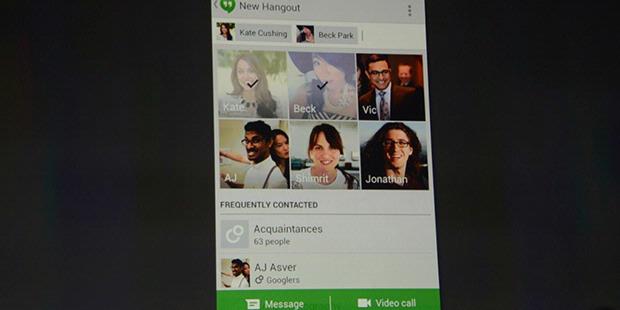
Untuk itulah Google memperkenalkan Hangout, layanan messaging terpadu yang akan menggantikan Google Talk, Google+ Messenger, dan Google+ Hangout video chat.
Seperti dikutip dari The Verge, Hangout sendiri berbentuk aplikasi messaging, sama dengan WhatsApp dan Facebook Messenger yang menjadi pesaing langsungnya. Menghadapi persaingan ini, Hangoout mengandalkan sejumlah keunikan.
Tak seperti aplikasi instant messaging pada umumnya, Hangout tidak menampilkan daftar kontak, melainkan daftar percakapan yang paling baru. Setiap percakapan bisa diberi nama seperti sebuah chat room, bisa pula ditambahi label berupa gambar dari koleksi emoji Google.
Daftar kontak sendiri tetap tersedia. Pengguna hanya perlu menyapukan jari ke sebelah kiri layar untuk melihatnya.
Hangout menyimpan percakapan di dalam jaringan cloud Google sehingga pesan-pesan, termasuk foto-foto, tetap bisa dilihat hingga bertahun-tahun kemudian.
"Tentu, ada opsi untuk menghapus history, tapi kemampuan (penyimpanan) ini adalah hal yang mengagumkan," ujar Senior Vice President Engineering Google Vic Gundotra ketika memperkenalkan Hangout dalam acara Google I/O Conference, Rabu (15/5/2013) malam.
Keuntungan lainnya adalah pengguna bisa mengirim pesan pada teman-teman kapanpun diinginkan, bahkan jika orang yang dituju sedang tak tersambung ke jaringan.
Seperti layanan dengan nama serupa di Google+, aplikasi Hangout pun menawarkan video call yang bisa dilakukan secara bersamaan oleh 10 pengguna sekaligus.
Tertarik? Google mengatakan Hangout sudah tersedia mulai hari ini untuk platform Android di Google Play Store, iOS di iTunes App Store, dan desktop di Chrome Store.
Untuk itulah Google memperkenalkan Hangout, layanan messaging terpadu yang akan menggantikan Google Talk, Google+ Messenger, dan Google+ Hangout video chat.
Seperti dikutip dari The Verge, Hangout sendiri berbentuk aplikasi messaging, sama dengan WhatsApp dan Facebook Messenger yang menjadi pesaing langsungnya. Menghadapi persaingan ini, Hangoout mengandalkan sejumlah keunikan.
Tak seperti aplikasi instant messaging pada umumnya, Hangout tidak menampilkan daftar kontak, melainkan daftar percakapan yang paling baru. Setiap percakapan bisa diberi nama seperti sebuah chat room, bisa pula ditambahi label berupa gambar dari koleksi emoji Google.
Daftar kontak sendiri tetap tersedia. Pengguna hanya perlu menyapukan jari ke sebelah kiri layar untuk melihatnya.
Hangout menyimpan percakapan di dalam jaringan cloud Google sehingga pesan-pesan, termasuk foto-foto, tetap bisa dilihat hingga bertahun-tahun kemudian.
"Tentu, ada opsi untuk menghapus history, tapi kemampuan (penyimpanan) ini adalah hal yang mengagumkan," ujar Senior Vice President Engineering Google Vic Gundotra ketika memperkenalkan Hangout dalam acara Google I/O Conference, Rabu (15/5/2013) malam.
Keuntungan lainnya adalah pengguna bisa mengirim pesan pada teman-teman kapanpun diinginkan, bahkan jika orang yang dituju sedang tak tersambung ke jaringan.
Seperti layanan dengan nama serupa di Google+, aplikasi Hangout pun menawarkan video call yang bisa dilakukan secara bersamaan oleh 10 pengguna sekaligus.
Tertarik? Google mengatakan Hangout sudah tersedia mulai hari ini untuk platform Android di Google Play Store, iOS di iTunes App Store, dan desktop di Chrome Store.
Mar 20, 2013
Google expected to unify chat under the name Babble
Geek.com - Google’s quest to continue unifying their products is about to enter its next phase. According to multiple sources, the company’s next step includes unifying their messaging platforms into a single service, which is expected to be called Babble.
Google’s got a huge communication problem right now. If you take a look at all of their services, you’ll find a series of communications platforms that don’t interact with each other very well, if at all. Google Talk, Hangout, Voice, Messenger, Chat for Drive collaboration, and the pseudo Google Talk for G+ all function just a little differently from one another. The only two to really function together are Google Talk for Gmail and G+, but ask anyone using the two systems and you’ll hear just how bad things are right now.
There’s not an easy fix for the situation, but a cross platform solution would enable Google to overtake platforms like iMessage and BlackBerry Messenger in one sweeping gesture. According to multiple sources reporting separately to Geek.com, this service is being called Babble, and it’s being built fresh from the ground up to solve these problems.
Babble continues Google’s trend towards organization by conversation. You can share photos in chat windows just like you would in G+ Messenger, start a Hangout with anyone in your contact list, and the conversations are threaded across all the existing services. Moving forward, the individual services will all be pushed onto the single platform, and you’ll be able to use the same chat window across all of Google’s products with the same features available everywhere. It’s not so much releasing a new product as it is pulling together all of the existing products under a single branding.
Most of Google’s chat services over the years have been cobbled together from sealed off manipulations of an open chat platform called XMPP. The service is flexible, scalable, and has served Google well for quite a while. Google’s recent decision to block non-native XMPP requests is the first step towards building their own closed communications platform. In order to use Google’s chat service, especially the new Babble service, you’ll need to be using it the way Google wants you to use it. That’s not going to sit well with many users at first, but the quality and performance of the service will be more than enough to make most users happy.
No official timeframe for the release of this rebranding has been made clear, but we’ve been told to expect a presentation on the unification of these products during Google IO this year. Since this service comes with a new app across Android and Chrome OS, it’s not totally clear how it will be unveiled officially.
For now, users should just be excited that Google is finally addressing an issue that has been affecting their platforms for several years now.
Google’s got a huge communication problem right now. If you take a look at all of their services, you’ll find a series of communications platforms that don’t interact with each other very well, if at all. Google Talk, Hangout, Voice, Messenger, Chat for Drive collaboration, and the pseudo Google Talk for G+ all function just a little differently from one another. The only two to really function together are Google Talk for Gmail and G+, but ask anyone using the two systems and you’ll hear just how bad things are right now.
There’s not an easy fix for the situation, but a cross platform solution would enable Google to overtake platforms like iMessage and BlackBerry Messenger in one sweeping gesture. According to multiple sources reporting separately to Geek.com, this service is being called Babble, and it’s being built fresh from the ground up to solve these problems.
Babble continues Google’s trend towards organization by conversation. You can share photos in chat windows just like you would in G+ Messenger, start a Hangout with anyone in your contact list, and the conversations are threaded across all the existing services. Moving forward, the individual services will all be pushed onto the single platform, and you’ll be able to use the same chat window across all of Google’s products with the same features available everywhere. It’s not so much releasing a new product as it is pulling together all of the existing products under a single branding.
Most of Google’s chat services over the years have been cobbled together from sealed off manipulations of an open chat platform called XMPP. The service is flexible, scalable, and has served Google well for quite a while. Google’s recent decision to block non-native XMPP requests is the first step towards building their own closed communications platform. In order to use Google’s chat service, especially the new Babble service, you’ll need to be using it the way Google wants you to use it. That’s not going to sit well with many users at first, but the quality and performance of the service will be more than enough to make most users happy.
No official timeframe for the release of this rebranding has been made clear, but we’ve been told to expect a presentation on the unification of these products during Google IO this year. Since this service comes with a new app across Android and Chrome OS, it’s not totally clear how it will be unveiled officially.
For now, users should just be excited that Google is finally addressing an issue that has been affecting their platforms for several years now.
Mar 19, 2013
Instagram And Snapchat Becoming More Popular Among Kids, Facebook Considered Less 'Cool'
Huffingtonpost.com - After Friendster came MySpace. By the time Facebook dominated social media, parents had joined the party, too. But the online scene has changed - dramatically, as it turns out - and these days even if you're friends with your own kids on Facebook, it doesn't mean you know what they're doing.
Thousands of software programs now offer cool new ways to chat and swap pictures. The most popular apps turn a hum-drum snapshot into artistic photography or broadcast your location to friends in case they want to meet you. Kids who use them don't need a credit card or even a cellphone, just an Internet connection and device such as an iPod Touch or Kindle Fire.
Parents who want to keep up with the curve should stop thinking in terms of imposing time limits or banning social media services, which are stopgap measures. Experts say it's time to talk frankly to kids about privacy controls and remind them - again - how nothing in cyberspace every really goes away, even when software companies promise it does.
"What sex education used to be, it's now the `technology talk' we have to have with our kids," said Rebecca Levey, a mother of 10-year-old twin daughters who runs a tween video review site called KidzVuz.com and blogs about technology and educations issues.
More than three-fourths of teenagers have a cellphone and use online social networking sites such as Facebook, according to the Pew Research Center's Internet and American Life Project. But Facebook for teens has become a bit like a school-sanctioned prom - a rite of passage with plenty of adult chaperones - while newer apps such as Snapchat and Kik Messenger are the much cooler after-party.
Even Facebook acknowledged in a recent regulatory filing with the Securities and Exchange Commission that it was losing younger users: "We believe that some of our users, particularly our younger users, are aware of and actively engaging with other products and services similar to, or as a substitute for, Facebook," the company warned investors in February.
Educators say they have seen kids using their mobile devices to circulate videos of school drug searches to students sending nude images to girlfriends or boyfriends. Most parents, they say, have no idea.
A stay-at-home mom of eight kids in Burke, Va., Eileen Patterson said she used to consider herself fairly tech savvy and frequently spends time on Facebook. But she was shocked to learn her kids could message their friends with just an iPod Touch mp3 player. She counts nine wireless devices in her home and has taken to shutting off her home's Wi-Fi after 9 p.m., but she describes her attempt to keep tabs on her kids' online activity "a war I'm slowly losing every day."
"I find myself throwing up my hands every now and again," Patterson said. "Then I'll see something on TV or read an article in the paper about some horrible thing that happened to some poor child and their family, and then I try to be more vigilant."
Mobile apps refer to the software applications that can be downloaded to a mobile device through an online store such as Apple's iTunes. According to the Federal Trade Commission, there are some 800,000 apps available through Apple and 700,000 apps on Google Play.
Among the most popular mobile apps among kids is Instagram, free software that can digitally enhance photos and post them to your account online. Kids on Instagram whose parents closely monitor their text messages, Facebook posts or emails can also chat with their friends using the service. Their photos can also be shared on other social media sites such as Facebook, which bought Instagram last year.
Then there's Snapchat, among the top 10 free iPhone apps available. Snapchat lets a user send a text, photo or video that purportedly self-destructs within 10 seconds of being opened - or warns a user if the recipient takes steps to quickly capture it for posterity before it disappears.
Kik Messenger also allows unlimited texting for free and effectively offers anonymity to users.
As with anything online, each of these services comes with caveats.
Snapchat acknowledges on its website that messages aren't guaranteed to disappear: Anyone receiving a text or photo can within 10 seconds capture a "screenshot," taking a photo of their device's screen, and save that image. Video also can be downloaded, although Snapchat says it alerts senders when material is saved.
Instagram is considered tame as long as kids adjust their privacy settings to limit who can see their photos and don't post nudity, which could subject them to child pornography laws. But Levey said many parents don't know their kids are using Instagram until there's trouble - usually when kids post inappropriate photos at parties and these begin to circulate among their social circles.
Parents often hand their kids a mobile device without understanding exactly what it can do, said Dale Harkness, a technology director at Richmond-Burton Community High School in Richmond, Ill. He estimates that even without using social media services, the average high school student probably transmits some 150 texts a day.
"It's not anything that every parent and grandparent hasn't already seen," Harkness said. The problem, he adds, is that actions "get documented, replayed and sent around." He said that students "forget how fast it moves and how far it goes."
That was the case at Ridgewood High School in Ridgewood, N.J., where a male student allegedly took a screenshot of nude pictures sent to him by female classmates via Snapchat, then posted the pictures on Instagram. According to a letter to parents by the school district's superintendent that was later posted online, police warned students to delete any downloaded pictures or face criminal charges under child pornography laws.
In the Ohio rape case involving two football players, social media both added to the humiliation of the victim and helped prove her case. The defendants and their friends had recorded the attack and later joked about it on a video. The case didn't come to light until the girl read text messages among friends and saw a photo of herself naked.
There are general security concerns, too. F-Secure, a cybersecurity company, said some new social networking services have become targets for spreading malicious hacker software and propagating scams.
In January, the FBI arrested a man in Los Angeles, Karen "Gary" Kazaryan, 27, of Glendale, Calif., on charges that he hacked into hundreds of social media and email accounts, including Facebook and Skype, and found nude photos and personal passwords that women had stored online. He allegedly used the photos to try to coerce women into disrobing for him via Skype and threatened to post their private photos to their Facebook accounts if they refused to comply, according to the indictment.
Online services also routinely collect personal data, such as a person's birthdate or the location of their phone, and they commonly share the information with third parties for marketing. While a new rule by the Federal Trade Commission this year is aimed at keeping advertisers from tracking kids younger than 13, most social media services require that a user specify he is at least 13, exempting the account from the tougher privacy restrictions.
Rep. Ed Markey, D-Mass., co-chairman of a House caucus on privacy issues, said legislation should give kids under 15 the right to delete photos or texts that wind up elsewhere online. The prospect, however, is unlikely in a Congress dominated by debates on federal spending and gun control, and raises practical questions about how such a law could be implemented or enforced.
"Nobody should be penalized for something they posted when they were 9 years old," Markey said.
Levey links her kids' devices to her iTunes account so she's aware of programs they install. She also requires that her kids make their accounts accessible to her and follow certain ground rules: protect your passwords, set privacy controls and never transmit inappropriate pictures or words.
A big hurdle for parents is overcoming the idea they are invading their kids' privacy by monitoring online activity, she said. In fact, she said, it can be the kid's first lesson that hardly anything online is private, anyway.
"If they want privacy," she said, "they should write in a journal and hide it under their mattress."

Thousands of software programs now offer cool new ways to chat and swap pictures. The most popular apps turn a hum-drum snapshot into artistic photography or broadcast your location to friends in case they want to meet you. Kids who use them don't need a credit card or even a cellphone, just an Internet connection and device such as an iPod Touch or Kindle Fire.
Parents who want to keep up with the curve should stop thinking in terms of imposing time limits or banning social media services, which are stopgap measures. Experts say it's time to talk frankly to kids about privacy controls and remind them - again - how nothing in cyberspace every really goes away, even when software companies promise it does.
"What sex education used to be, it's now the `technology talk' we have to have with our kids," said Rebecca Levey, a mother of 10-year-old twin daughters who runs a tween video review site called KidzVuz.com and blogs about technology and educations issues.
More than three-fourths of teenagers have a cellphone and use online social networking sites such as Facebook, according to the Pew Research Center's Internet and American Life Project. But Facebook for teens has become a bit like a school-sanctioned prom - a rite of passage with plenty of adult chaperones - while newer apps such as Snapchat and Kik Messenger are the much cooler after-party.
Even Facebook acknowledged in a recent regulatory filing with the Securities and Exchange Commission that it was losing younger users: "We believe that some of our users, particularly our younger users, are aware of and actively engaging with other products and services similar to, or as a substitute for, Facebook," the company warned investors in February.
Educators say they have seen kids using their mobile devices to circulate videos of school drug searches to students sending nude images to girlfriends or boyfriends. Most parents, they say, have no idea.
A stay-at-home mom of eight kids in Burke, Va., Eileen Patterson said she used to consider herself fairly tech savvy and frequently spends time on Facebook. But she was shocked to learn her kids could message their friends with just an iPod Touch mp3 player. She counts nine wireless devices in her home and has taken to shutting off her home's Wi-Fi after 9 p.m., but she describes her attempt to keep tabs on her kids' online activity "a war I'm slowly losing every day."
"I find myself throwing up my hands every now and again," Patterson said. "Then I'll see something on TV or read an article in the paper about some horrible thing that happened to some poor child and their family, and then I try to be more vigilant."
Mobile apps refer to the software applications that can be downloaded to a mobile device through an online store such as Apple's iTunes. According to the Federal Trade Commission, there are some 800,000 apps available through Apple and 700,000 apps on Google Play.
Among the most popular mobile apps among kids is Instagram, free software that can digitally enhance photos and post them to your account online. Kids on Instagram whose parents closely monitor their text messages, Facebook posts or emails can also chat with their friends using the service. Their photos can also be shared on other social media sites such as Facebook, which bought Instagram last year.
Then there's Snapchat, among the top 10 free iPhone apps available. Snapchat lets a user send a text, photo or video that purportedly self-destructs within 10 seconds of being opened - or warns a user if the recipient takes steps to quickly capture it for posterity before it disappears.
Kik Messenger also allows unlimited texting for free and effectively offers anonymity to users.
As with anything online, each of these services comes with caveats.
Snapchat acknowledges on its website that messages aren't guaranteed to disappear: Anyone receiving a text or photo can within 10 seconds capture a "screenshot," taking a photo of their device's screen, and save that image. Video also can be downloaded, although Snapchat says it alerts senders when material is saved.
Instagram is considered tame as long as kids adjust their privacy settings to limit who can see their photos and don't post nudity, which could subject them to child pornography laws. But Levey said many parents don't know their kids are using Instagram until there's trouble - usually when kids post inappropriate photos at parties and these begin to circulate among their social circles.
Parents often hand their kids a mobile device without understanding exactly what it can do, said Dale Harkness, a technology director at Richmond-Burton Community High School in Richmond, Ill. He estimates that even without using social media services, the average high school student probably transmits some 150 texts a day.
"It's not anything that every parent and grandparent hasn't already seen," Harkness said. The problem, he adds, is that actions "get documented, replayed and sent around." He said that students "forget how fast it moves and how far it goes."
That was the case at Ridgewood High School in Ridgewood, N.J., where a male student allegedly took a screenshot of nude pictures sent to him by female classmates via Snapchat, then posted the pictures on Instagram. According to a letter to parents by the school district's superintendent that was later posted online, police warned students to delete any downloaded pictures or face criminal charges under child pornography laws.
In the Ohio rape case involving two football players, social media both added to the humiliation of the victim and helped prove her case. The defendants and their friends had recorded the attack and later joked about it on a video. The case didn't come to light until the girl read text messages among friends and saw a photo of herself naked.
There are general security concerns, too. F-Secure, a cybersecurity company, said some new social networking services have become targets for spreading malicious hacker software and propagating scams.
In January, the FBI arrested a man in Los Angeles, Karen "Gary" Kazaryan, 27, of Glendale, Calif., on charges that he hacked into hundreds of social media and email accounts, including Facebook and Skype, and found nude photos and personal passwords that women had stored online. He allegedly used the photos to try to coerce women into disrobing for him via Skype and threatened to post their private photos to their Facebook accounts if they refused to comply, according to the indictment.
Online services also routinely collect personal data, such as a person's birthdate or the location of their phone, and they commonly share the information with third parties for marketing. While a new rule by the Federal Trade Commission this year is aimed at keeping advertisers from tracking kids younger than 13, most social media services require that a user specify he is at least 13, exempting the account from the tougher privacy restrictions.
Rep. Ed Markey, D-Mass., co-chairman of a House caucus on privacy issues, said legislation should give kids under 15 the right to delete photos or texts that wind up elsewhere online. The prospect, however, is unlikely in a Congress dominated by debates on federal spending and gun control, and raises practical questions about how such a law could be implemented or enforced.
"Nobody should be penalized for something they posted when they were 9 years old," Markey said.
Levey links her kids' devices to her iTunes account so she's aware of programs they install. She also requires that her kids make their accounts accessible to her and follow certain ground rules: protect your passwords, set privacy controls and never transmit inappropriate pictures or words.
A big hurdle for parents is overcoming the idea they are invading their kids' privacy by monitoring online activity, she said. In fact, she said, it can be the kid's first lesson that hardly anything online is private, anyway.
"If they want privacy," she said, "they should write in a journal and hide it under their mattress."

Subscribe to:
Posts (Atom)